
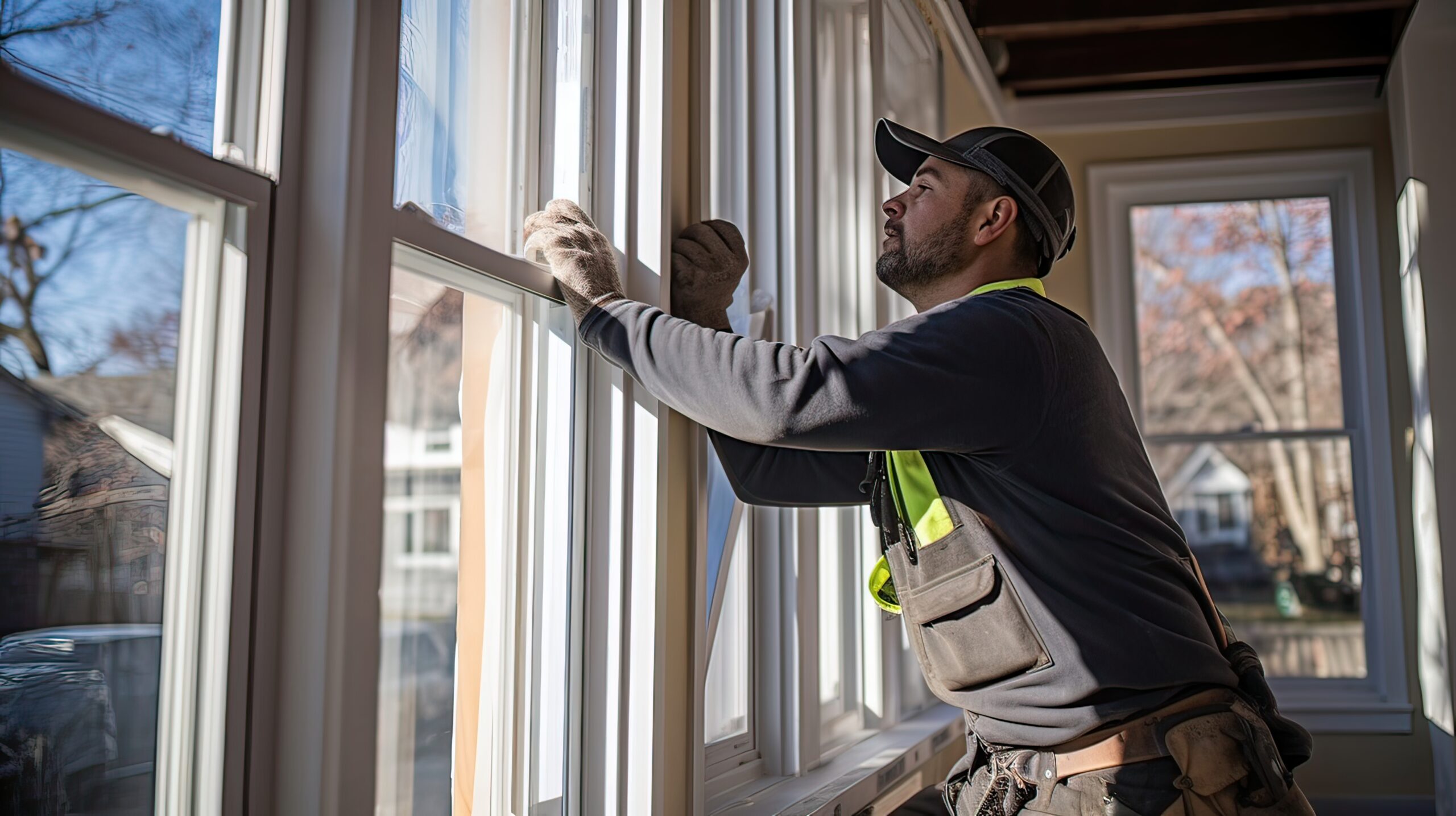
Why Most Window Upgrades Fail to Reduce Noise
Many homeowners decide to replace their windows hoping for a quieter home. The logic seems simple: new windows should mean less noise, right? Unfortunately, most people discover that after spending thousands of dollars on standard window replacements, the traffic, neighbors, construction, and other outside noise still find their way in.
If you’ve upgraded your windows and are still dealing with noise, you are not alone. The truth is that most traditional window upgrades are not designed with serious noise reduction in mind. They may improve energy efficiency and appearance, but they rarely deliver the level of quiet most people are hoping for.
In this guide, we’ll break down why regular window replacements often fail to reduce noise, how sound actually travels, and what kind of solution is truly effective when you want a noticeably quieter home or workspace.
What Homeowners Expect vs. What Standard Windows Deliver
When people replace old windows, they are usually hoping to solve more than one problem at once. Common goals include:
– Reducing drafts and temperature swings
– Improving curb appeal and resale value
– Cutting heating and cooling costs
– Reducing outdoor noise
Modern double-pane windows and new frames can absolutely help with comfort and energy usage. However, when it comes to noise, the improvement is usually minimal. You may notice a small difference, but the sounds of cars, voices, dogs, lawn equipment, or nearby activity remain very audible.
The reason is simple: most replacement windows are designed primarily for thermal performance, not acoustic performance. The glass, frame design, and sealing methods aren’t optimized to block sound in a meaningful way.
How Sound Really Gets Into Your Home
To understand why standard windows struggle with noise, it helps to know how sound travels. Noise enters through three main pathways:
1. Air Leaks and Gaps
Even small gaps around the window frame or sash let sound in. If air can move through, sound can too.
2. Vibrations Through Glass and Frames
Sound is vibration. When noise hits the outer surface of a window, the glass and frame vibrate and pass that vibration to the inside.
3. Weak Sealing and Poor Isolation
If the window system doesn’t create a tight, well-isolated barrier, sound will continue to travel through the structure.
Standard replacement windows may improve insulation and reduce drafts, but they don’t typically address all three of these noise pathways in a way that delivers true acoustic performance.
Why Double-Pane Windows Alone Don’t Solve Noise Problems
Many window companies promote double-pane or “insulated” glass as a noise solution. While double-pane windows can help a little with sound, their main purpose is temperature control. The space between the two panes is usually designed for thermal insulation, not noise reduction.
Here are a few key limitations:
– The air space between the panes is often too narrow to significantly disrupt sound waves.
– The two panes of glass are frequently the same thickness, which makes it easier for sound to pass through.
– Frames and sashes are not engineered to be acoustically tight – they still allow vibration and leakage.
The result is a small reduction in noise, but not the kind of dramatic difference people are expecting when they invest in new windows.
Common “Quick Fixes” That Don’t Work Well
When new windows don’t solve the noise problem, many homeowners try add-on fixes. Some of the most common include:
Heavy Curtains or Drapes
Thick curtains can absorb some echo inside the room and slightly reduce certain frequencies, but they don’t stop most outside noise from entering through the window structure.
Stick-On Seals and Kits
Weatherstripping and foam kits can help with drafts, but they have limited impact on serious traffic or construction noise.
Acoustic Foam Panels
Foam panels are designed for echo control inside a room, not for blocking outside noise coming through windows.
These options can make the room feel different, but they rarely produce the level of quiet that people are truly looking for.
What Actually Works: Adding an Interior Soundproof Window
To significantly reduce outside noise, you need more than just new glass—you need an additional barrier that is specifically designed for sound control. This is where interior soundproof window systems come in.
An interior soundproof window is installed on the inside of your existing window, creating a second sealed layer with an air space in between. This design is highly effective because it:
– Creates a larger, controlled air gap that disrupts sound waves
– Uses specialized glass and framing designed for acoustic performance
– Forms a tight seal around the entire interior perimeter, closing off leaks
– Decouples vibration so sound has a harder time traveling through the structure
Instead of relying on one window to do everything, you create a two-layer system: the original exterior window and the new interior soundproof window working together.
Benefits Beyond Noise Reduction
While the primary goal of interior soundproof windows is quiet, they deliver several additional long-term benefits:
– Improved insulation and reduced drafts
– More stable indoor temperature and comfort
– Less dust and pollen entering the home
– Better privacy and reduced outside conversations being heard
– Protection for furnishings from UV exposure, depending on glass type
This combination of comfort and performance is what makes soundproof windows such a strong long-term investment.
How to Know If You Need a True Soundproofing Solution
You may benefit from a dedicated soundproof window system if:
– You’ve already replaced windows and are still bothered by noise
– You live near a busy street, roadway, parking lot, or intersection
– You work from home and struggle to focus because of outside sounds
– You have difficulty sleeping due to early-morning or late-night noise
– You’ve tried curtains or DIY fixes with little success
In these situations, the problem isn’t your effort—it’s the limitations of traditional window designs. A purpose-built soundproof system is often the only way to get the level of quiet you’re looking for.
Conclusion
Most window upgrades are not failures—they simply weren’t designed with serious noise reduction as the priority. They may be excellent for improving energy efficiency and appearance, but when it comes to blocking traffic, neighbors, construction, and other outside noise, they can only go so far.
If you’re ready for a noticeable change in the sound level inside your home, the solution isn’t another standard window replacement. It’s adding a properly engineered interior soundproof window system that’s built from the ground up to control noise. The difference is not subtle—and for many people, it’s life-changing.